





Welcome to Windermere Union Church
At Windermere Union Church, worship is where the ancient meets the future. Our services blend the depth of timeless traditions with the energy and creativity of contemporary expression. You’ll find meaningful liturgy alongside modern music, thoughtful preaching, and a community where faith is alive and growing.
Our atmosphere is casual—come as you are. What matters most is that you feel welcomed, embraced, and free to be yourself. As an Open and Affirming congregation, we celebrate diversity and fully affirm our LGBTQ+ siblings in Christ. Whoever you are, and wherever you are on life’s journey, you are welcome here.
Join us this Sunday and experience our tagline come to life:
Provoking Thought. Inspiring Spirit. Accepting All.

Children Serve Communion
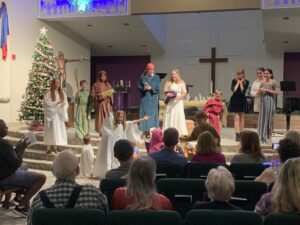
Christmas Pageant
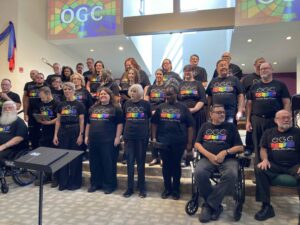
Orlando Gay Chorus
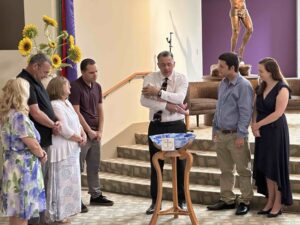
Baptism
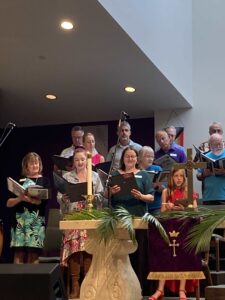
Choir
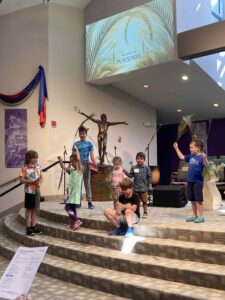
Children lead worship
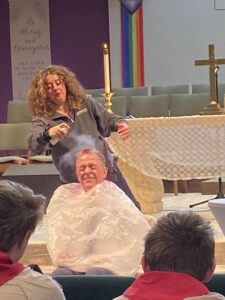
Pastor gets blue hair
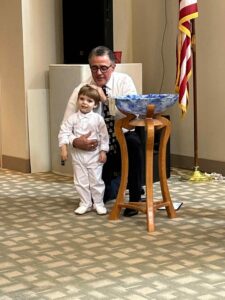
Baptism
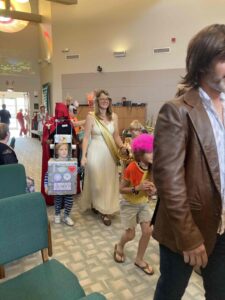
Costum Parade

Costum Parade
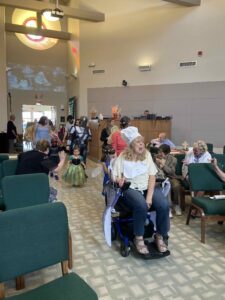
Costum Parade
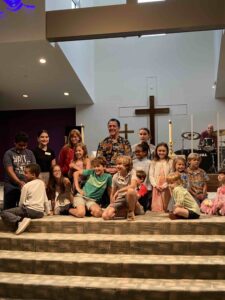
Pastor Blue Hair with Kids
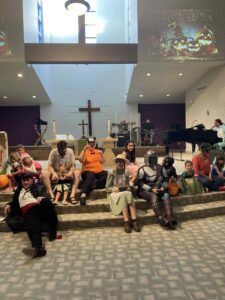
Halloween Worship
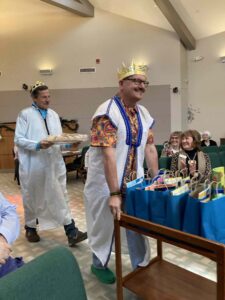
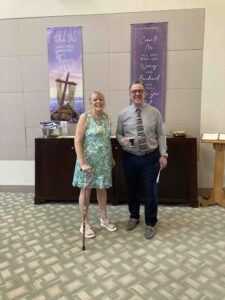
Pastor Brad & Miss Chris
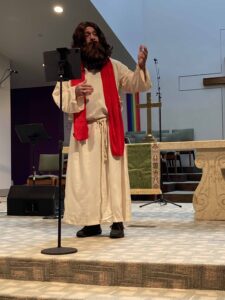
Jesus Preaching
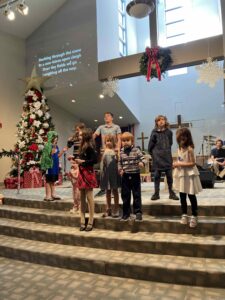
Children at Christmas

New Members Sunday
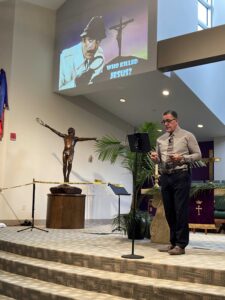
Uncovering who killed Jesus
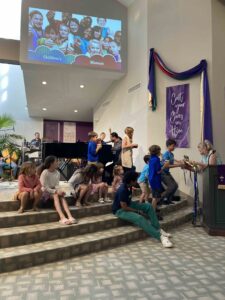
Children's time with Miss Chris

Awakening the Truth Instinct (January Preaching Series)
A January Preaching Series About Restlessness, Awe, and the Fire That Still Burns
What if the questions you’ve been carrying aren’t signs of weakening faith—but signs of awakening?
This January, Windermere Union Church begins a four-week preaching series titled Awakening the Truth Instinct, a journey for anyone who has felt spiritually unsettled, quietly curious, or gently restless in their faith. This series is not about tearing belief down for the sake of disruption, nor is it about offering neat answers to complex questions. Instead, it is an invitation to listen—to the deeper impulse that has always lived within humanity: the instinct to seek meaning, wonder, and truth beyond easy certainty.
Many people come to church carrying a tension they don’t always know how to name. They believe in God. They love aspects of faith. And yet, something feels unfinished. Inherited answers no longer fit the full complexity of their lived experience. Doubt feels present—but not rebellious. More like an ache. A longing. A sense that faith is meant to be deeper, wider, more alive than what they were handed.
This series begins by naming that restlessness openly and without shame. “The Restlessness That Will Not Sleep” explores the idea that spiritual unease is not failure—it is often the birthplace of faith itself. Drawing from Ecclesiastes, the opening week reframes longing as something God-given, not something to suppress. Before belief ever hardened into certainty, humans were listening. Paying attention. Asking questions that mattered. This sermon invites worshipers to see their inner unrest not as exile from faith, but as a threshold into something more honest and alive.
From there, the series steps even further back—before doctrine, before scripture, before organized religion—to rediscover the origins of spirituality itself. “Before There Were Bibles, There Was Awe” invites us to imagine early humanity standing beneath the stars, gathered around fire, burying their dead with reverence. Faith did not begin with answers about God; it began with attention to mystery. Psalm 8 becomes a companion text as we explore awe not as intellectual weakness, but as the earliest form of spiritual maturity. This week reconnects faith with wonder, beauty, and embodied experience—reminding us that the sacred was encountered long before it was explained.
The third week, “When the Fire Got Fenced In,” marks a turning point. Drawing from Israel’s request for a king in 1 Samuel, the sermon explores how religion often begins as protection—an effort to preserve what is sacred—but can slowly drift into control when fear replaces trust. This message is offered with compassion rather than accusation, acknowledging both the necessity and the cost of religious structure. It names a reality many know intimately: when questions become dangerous, certainty becomes enforced, and faith hardens into something brittle. Yet even here, the series emphasizes hope. The Truth Instinct never disappears. It survives through prophets, poets, mystics, and reformers—and often reemerges through those who feel holy discomfort rather than complacency.
The series concludes with “The Fire Still Burns,” a sermon grounded in the Emmaus Road story from Luke’s Gospel. The disciples do not recognize Jesus through correct belief or instant clarity, but through experience—through hearts that burn before understanding catches up. This final week invites worshipers to imagine faith after certainty: not as something we possess, but something we steward. Fire gives warmth and light, but it must be tended with humility and shared with care. Awakening, the sermon reminds us, always leads back into the world—with compassion, courage, and justice. A faith that never leaves the sanctuary has already begun to fade.
Awakening the Truth Instinct is not a series about having everything figured out. It is about staying awake. About trusting that curiosity can be sacred, that awe still belongs in the life of faith, and that love—more than certainty—remains the truest guide.
If you have ever felt spiritually restless…
If you have ever loved faith but struggled with its packaging…
If you have ever sensed that something holy was stirring just beneath the surface…
This series is for you.
The fire still burns.And together, we are learning how to carry it well.

God Is Love (February Preaching Series)
A Four-Week Journey into the Heart of Faith
What if the most important thing we could ever say about God is also the simplest?
This upcoming preaching series, God Is Love, invites us to return to the very center of Christian faith—not as a slogan or sentiment, but as a way of understanding who God is and how we are called to live. Across four weeks, we will explore what it truly means to say, as the letter of 1 John boldly declares, “God is love.” Not that God possesses love. Not that God occasionally shows love. But that love itself is the very essence of God.
In a world where love is often confused with fleeting emotion, convenience, or personal preference, this series invites us to rediscover love as something far deeper, stronger, and more transformative. Love, as Scripture describes it, is not passive or sentimental. It is active, courageous, self-giving, and world-changing. And if God is love, then faith itself is not primarily about belief statements or religious certainty—it is about learning how to live, trust, and act from love.
Week One: The Shape of Love
We begin by exploring the nature of love itself. Human history is filled with love stories, poetry, music, and art because love shapes everything that matters most in our lives. Scripture acknowledges many kinds of love—romantic, familial, and relational—but points us toward agape love as the fullest expression of God’s heart. This is love that gives without conditions, seeks the good of others, and remains steadfast even when it costs something. In this opening sermon, we are invited to see love not as an accessory to faith, but as the clearest revelation of who God is.
Week Two: Believe in Love
What does it really mean to believe in God? This week reframes belief not as intellectual agreement, but as trust. To believe in God is to trust that love is the truest reality in the universe—stronger than fear, hatred, or even death. This sermon challenges us to consider where we place our weight when life becomes difficult. Do we trust love enough to forgive, to stay open-hearted, to resist cynicism? Faith, we discover, is not proven by certainty but by our willingness to lean into love even when it feels risky.
Week Three: Seek to Know Love
Many people assume that knowing God comes through mastering theology or accumulating religious knowledge. Scripture offers a different vision. “Whoever loves knows God,” writes the author of 1 John. This week explores knowing God as relationship rather than information. We encounter God not only through study or worship, but through receiving love and giving love—through compassion, service, forgiveness, and presence. As we grow closer to love, we grow closer to God.
Week Four: Accept Love, Proclaim Love
The series concludes with a call to embodiment. If God is love, then love is not optional—it is our calling. Faith that remains private or abstract is incomplete. Love must move outward into action: welcoming the stranger, standing with the vulnerable, seeking justice, and choosing compassion over comfort. This final sermon invites us to live as visible witnesses to love in a world desperate for healing, reminding us that every act of love is an act of worship.
A Series for This Moment
God Is Love is a series for anyone who has ever struggled with rigid images of God, felt weary of judgment-centered faith, or longed for a spirituality grounded in compassion and authenticity. It speaks to longtime believers and seekers alike, offering a vision of faith that is deeply rooted in Scripture and deeply relevant to everyday life.
At its heart, this series reminds us that love is not the reward for faith—it is the foundation of it. To love is to know God. To love is to worship God. To love is to participate in the very life of God.
We invite you to join us for this four-week journey as we listen again to the simplest, most demanding, and most hope-filled truth of our faith:
God is love.
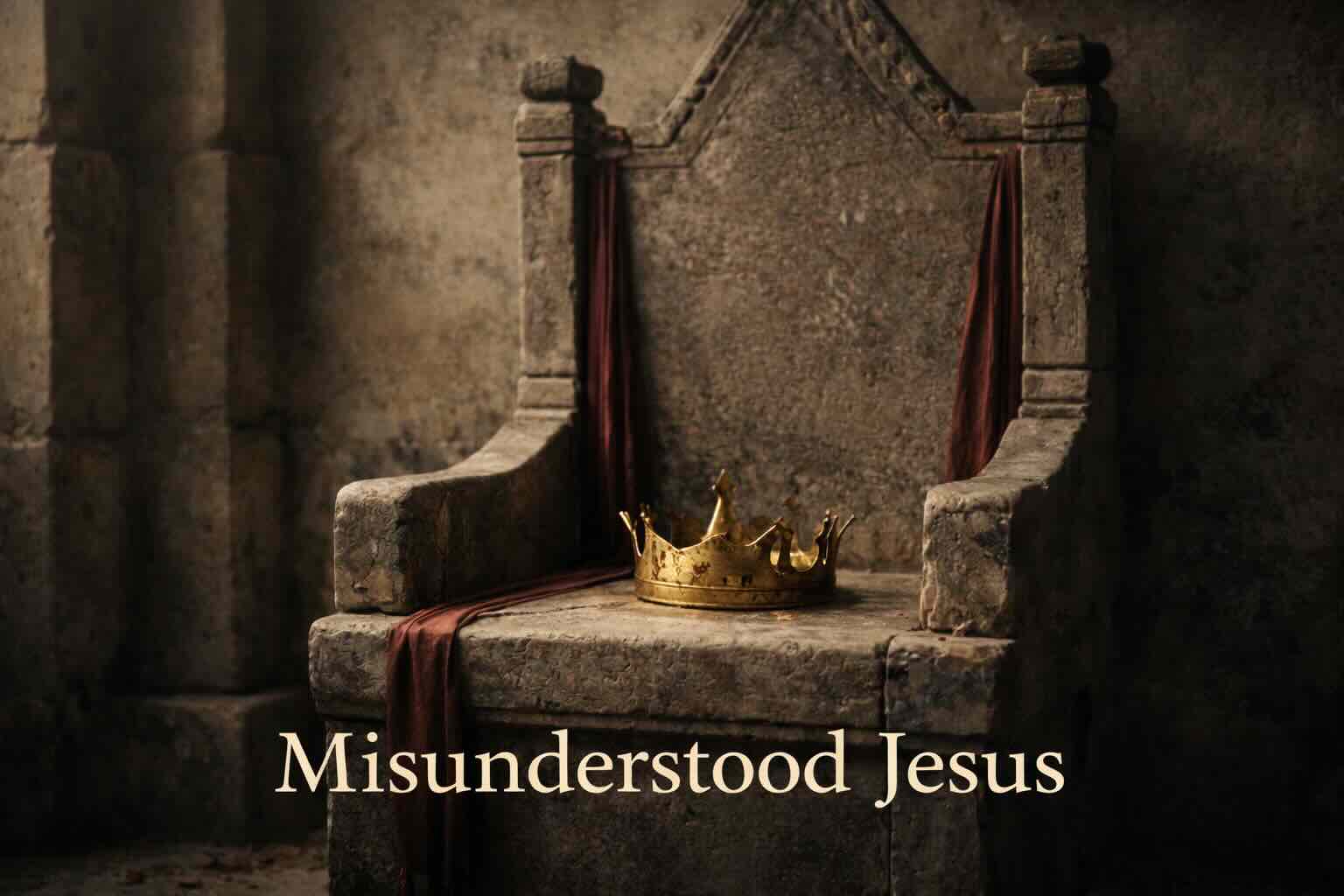
Misunderstood Jesus (March Preaching Series)
Why the Jesus People Wanted Is Not the Jesus They Got
Almost everyone thinks they know Jesus.
Teacher. Healer. Savior. King.
Gentle. Wise. Comforting. Safe.
But when we slow down and listen carefully to the Gospel stories, a startling truth emerges: the people who encountered Jesus most directly misunderstood him at almost every turn—not because they were foolish or faithless, but because Jesus refused to be what they expected.
This Lent and Holy Week, our preaching series Misunderstood Jesus invites us to walk through the Gospel of Mark and ask an uncomfortable but essential question:
What if the greatest conflict surrounding Jesus wasn’t disbelief—but expectation?
A Jesus Who Wouldn’t Stay in His Lane
The series begins with a simple observation: people were open to Jesus—as long as he stayed useful.
They wanted a teacher, but not one who disrupted the synagogue or exposed what religion preferred to keep hidden.
They wanted miracles, but not the kind of healing that dismantled shame, challenged authority, or demanded transformation.
They wanted proof, but not trust—certainty without vulnerability.
They wanted a Savior, but not a cross.
And finally, they wanted a king—just not one who redefined power, refused violence, and exposed empire rather than overthrowing it.
At every step, Jesus meets people with compassion—but also with refusal. He refuses to perform faith on safe terms. He refuses to reinforce systems that benefit from people staying broken. He refuses to define success the way the world does.
What makes Jesus dangerous in the Gospels is not his anger or ambition—it is his integrity. His unwillingness to trade truth for approval. His insistence that love, not control, is the true measure of faith.
Why This Series Matters Now
This series is not about correcting ancient misunderstandings. It is about recognizing our own.
Modern Christianity often repeats the same patterns:
- We celebrate Jesus as long as he comforts us.
- We admire him as long as he doesn’t confront our systems.
- We worship him as long as he doesn’t cost us anything.
But the Jesus of the Gospels refuses to stay abstract. He walks into real spaces—religious, political, economic—and exposes the ways power disguises itself as faith. He invites people not into certainty, but into trust. Not into domination, but into solidarity. Not into triumph, but into transformation.
Misunderstood Jesus does not ask whether we believe in Jesus.
It asks whether we are willing to follow him as he actually is.
From Curiosity to Conflict
As the weeks unfold, the series traces a clear arc:
- Curiosity turns to amazement.
- Amazement turns to resistance.
- Resistance turns to threat.
- And threat leads inevitably toward the cross.
By Palm Sunday, the misunderstanding reaches its peak. The crowd is right to hope—but wrong about power. They want liberation without disruption, victory without vulnerability, a king who will conquer without changing them. Jesus enters Jerusalem knowing all of this—and keeps walking anyway.
Palm Sunday, in this telling, is not a celebration of clarity.
It is a parade of expectation colliding with reality.
An Invitation, Not a Verdict
This series is not designed to shame doubt, criticize tradition, or accuse believers of bad faith. The crowd’s hopes were real. Their longing for healing and justice was legitimate. Their disappointment was human.
What Jesus exposes is not ignorance—but fear.
And that is where the invitation remains open.
Misunderstood Jesus asks each of us:
- What kind of faith are we looking for?
- What kind of Savior do we want?
- And will we keep following when Jesus refuses to meet our expectations?
This is a series for anyone who has ever felt unsettled by easy answers, weary of shallow faith, or drawn to a Jesus who feels far more challenging—and far more compelling—than the one we were taught to expect.
Because the question the Gospels leave us with is not whether Jesus was misunderstood.
It is whether we are still misunderstanding him now.

Resurrection as Resistance (April Preaching Series)
Why Easter Was Never Meant to Be Safe
Easter is often told as a story of triumph—victory over death, certainty restored, fear erased. But when we listen closely to the Gospel of Luke, a very different story emerges.
Luke does not tell resurrection as a moment of spectacle or conquest. There is no dramatic appearance of Jesus confronting enemies, no instant courage, no neat resolution. Instead, Luke offers a quieter, more unsettling vision: confusion at an empty tomb, fear that lingers after Easter, resurrection that must be interpreted rather than imposed, and a community whose way of life quietly threatens empire.
This preaching series, Resurrection as Resistance, invites us to hear the Easter story the way Luke tells it—not as religious reassurance, but as a radical reordering of power, fear, and community. Across four weeks, we explore how resurrection is not simply something to believe, but something to embody.
Week One: The Resurrection Luke Refused to Make Triumphant
Easter morning begins not with certainty, but with confusion. The tomb is empty, but understanding is not complete. The first witnesses—women whose testimony is dismissed—carry a truth the world refuses to trust. Luke centers doubt, silence, and amazement rather than victory or proof. Resurrection, in this telling, does not conquer by force. It destabilizes fear itself. If death no longer has the final word, then the systems built on fear begin to lose their grip.
Week Two: Resurrection That Must Be Interpreted
On the road to Emmaus, people walk alongside resurrection and still do not recognize it. Luke insists that resurrection is not obvious or coercive. It must be discerned in community, through conversation, Scripture opened rather than weaponized, and shared practice around the table. Recognition comes not through proof, but through relationship. In Luke’s vision, truth cannot be centralized or controlled—and that makes resurrection deeply threatening to empire.
Week Three: Why Resurrection Did Not End Fear
Easter does not instantly produce courage. Fear remains—not because resurrection failed, but because resurrection creates responsibility. Luke shows disciples who are still afraid, and a risen Jesus who meets fear without shaming it. Resurrection does not eliminate fear; it removes fear’s authority. When people are no longer governed by fear of death, punishment, or loss, empire loses its most effective tool of control.
Week Four: Resurrection Created a Dangerous Community
Luke follows resurrection beyond the empty tomb and into daily life. What emerges is not a belief system to protect, but a community whose shared life challenges hierarchy, scarcity, and domination. The early church was not dangerous because of its theology, but because of how it lived—shared resources, radical hospitality, flattened social boundaries, and loyalty shaped by conscience rather than fear. Resurrection becomes visible in community, and community itself becomes an act of resistance.
Why This Series Matters
Resurrection as Resistance resists the temptation to spiritualize Easter into private comfort or afterlife assurance. Luke refuses to let resurrection remain safe, abstract, or apolitical. Resurrection is not an ending—it is a beginning that reshapes how people live together in a world still governed by fear and power.
This series is for anyone who has ever felt that Easter promises more than it delivers when reduced to certainty and celebration alone. It is for those who sense that resurrection, if it is true, must change something—not just beliefs, but lives.
Luke leaves us not with answers, but with a question:
If resurrection is real,
what kind of people will we become?
Because resurrection, in Luke’s Gospel, is not something the church merely proclaims.
It is something the church either embodies—or abandons.

Revelation: Reading Against Empire (May Preaching Series)
Why the Most Feared Book of the Bible Was Written to Set Us Free
Few books of the Bible have been more misunderstood—or more misused—than Revelation.
For generations, Revelation has been treated like a coded prediction of the end of the world: timelines to decode, villains to identify, disasters to fear. It has fueled anxiety, speculation, and a Christianity shaped more by paranoia than hope.
But what if Revelation was never meant to terrify the faithful?
What if it was written to strengthen courage, unmask power, and help ordinary people resist systems that demanded their worship?
This preaching series, Revelation: Reading Against Empire, invites us to read Revelation the way its first listeners would have heard it—not as a crystal ball about the future, but as resistance literature written for people living under empire right now.
A Book Written for Courage, Not Curiosity
Revelation was written to small, vulnerable communities living under the shadow of Roman power. Empire surrounded them with violence, economic pressure, propaganda, and the demand for unquestioned loyalty. To resist openly was dangerous—sometimes deadly.
So John writes in symbols, images, poetry, and coded language. Not to confuse, but to protect. Revelation is not hiding meaning from faithful readers; it is hiding meaning from empire.
From the very first week, this series reframes the book’s purpose: Revelation is not about predicting the end of the world. It is about refusing to let empire decide how the world works.
Week One: Stop Looking for the Antichrist. Start Naming Empire.
The “Beast” of Revelation is not a future villain waiting to appear. In Jewish apocalyptic tradition, beasts represent empires—systems that demand loyalty, obedience, and worship at the expense of justice and compassion. Revelation’s warning is not about one bad person, but about power that has lost its humanity. The real danger is not persecution alone, but seduction—when faith quietly aligns itself with domination.
Week Two: The Four Horsemen — Apocalypse as Diagnosis, Not Prediction
“Apocalypse” does not mean catastrophe; it means unveiling. The Four Horsemen are not divine punishments sent by God. They are a diagnosis of what empire always produces: conquest, war, economic exploitation, and death. Revelation pulls back the curtain and names what power tries to normalize. Before offering hope, Revelation insists on honesty.
Week Three: 144,000 — Salvation Is Not Scarce
John deliberately sets a trap for literal readers. He hears a perfectly counted number—144,000—then sees a vast crowd no one can count. The message is clear: salvation is not limited, controlled, or rationed. Scarcity is the language of empire, not of God. Empire counts. God gathers.
Week Four: The Dragon — Empire as Cosmic Story
The Dragon represents more than evil—it represents the myth empire tells to make itself feel inevitable and eternal. “This is just how the world works.” “Nothing else is possible.” Revelation shatters that lie. The Dragon is defeated not by force, but by testimony, endurance, and truth. Empire survives by story; faith begins by telling a better one.
Week Five: Don’t Turn the Lamb into the Beast
At the heart of Revelation stands its most radical claim: power is redefined by the Lamb who was slain. Revelation does not replace Jesus with a violent conqueror. It insists that the Lamb remains the interpretive center. Whenever faith baptizes cruelty, glorifies violence, or demands enemies to destroy, it has already left the way of Jesus behind. Revelation’s final warning is not about the world becoming more violent—it is about the church becoming indistinguishable from empire.
Why This Series Matters Now
Revelation: Reading Against Empire is not about fear—it is about faithfulness.
It is about learning to recognize systems that demand our loyalty at the cost of conscience. It is about resisting theology that justifies domination. It is about choosing the way of the Lamb—self-giving love, truth-telling, and courageous witness—even when that way costs power, safety, or approval.
Revelation does not predict the end of the world.
It asks whether the church will resist becoming what it claims to oppose.
And that question is as urgent now as it has ever been.

Hidden in Plain Sight (June Preaching Series)
Stories We Thought We Knew — Seen With New Eyes
Every year, we return to familiar biblical stories—stories we think we already understand. We know the names. We know the endings. We assume we know what they’re “about.”
But sometimes familiarity doesn’t lead to clarity.
Sometimes it hides things in plain sight.
This preaching series, Hidden in Plain Sight, invites us to revisit four well-known biblical stories and listen again—this time paying attention to what the text does not rush to explain, soften, or correct. Across these weeks, we explore characters whose difference, intimacy, chosen family, and devotion quietly disrupt rigid systems—and whose stories may speak powerfully to anyone who has ever felt seen by God but misunderstood by the world.
Week One: Joseph — Marked as Different, Chosen Anyway
The series begins with Joseph, a figure marked early and visibly as “different.” Before he does anything wrong, Joseph stands out—through clothing, dreams, and even the way Scripture describes his body and presence. His story reveals how quickly difference becomes a threat in systems built on conformity.
Joseph is punished not for sin, but for visibility. Yet even through betrayal, imprisonment, and loss of control over his own story, Joseph survives without becoming cruel. His life invites us to ask hard questions: When have we mistaken difference for disobedience? And how often has God’s choosing been clearest in those we were taught to overlook?
Week Two: The Two Men in the Upper Room — Chosen Family and Holy Ground
Week two shifts our attention to a quiet but essential story: an unnamed household, hosted by two unnamed men, where some of the most sacred moments of Christian memory take place.
Scripture offers no explanation of their relationship. It does not justify their household or clarify its structure. It simply trusts their hospitality—and builds everything on it. Communion is born there. The community gathers there. The Spirit descends there.
This week invites us to reconsider what makes a family holy. Before there was doctrine, there was a table. Before there was a church building, there was a home. And Scripture shows no anxiety about the people who made that space possible.
Week Three: Lazarus — Love Without Labels
At the heart of the series stands Lazarus—a man who never speaks, never explains himself, and never defends his place in the story.
Lazarus is introduced not by role or status, but by love. That love is named openly and repeatedly, without clarification or apology. The text does not label it. It does not regulate it. It simply tells the truth and moves on.
After Lazarus’ life is restored, his very existence becomes a threat. Not because of what he teaches, but because of what his presence reveals. His continued life exposes systems built on fear and control, and so Lazarus himself becomes a target.
This week asks us to sit with a difficult truth: sometimes love is not controversial because it is wrong, but because it is powerful. Sometimes restored life is dangerous simply because it proves that death, despair, and exclusion do not get the final word.
Week Four: The Roman Centurion and His Pais — Love That Refuses Policing
The series concludes with a story that refuses easy categorization. A powerful man risks reputation, status, and safety to advocate publicly for someone he loves. The language Scripture uses to describe that relationship is intentionally broad—and Scripture never resolves the tension.
What matters in this story is not explanation, but compassion. Care becomes the evidence of faith. Love is trusted without interrogation. Healing happens without moral screening.
This final week confronts us with a challenging possibility: What if love was never the problem? What if fear was? And what if faith has too often asked questions Scripture itself never required?
Why This Series Matters
Hidden in Plain Sight is not about rewriting Scripture. It is about reading it honestly—paying attention to who is visible, who is trusted, and who is never asked to justify their belonging.
These stories remind us that Scripture often refuses to explain the very things we rush to regulate. It trusts love. It honors chosen family. It centers those marked as different. And it shows how often God is already at work in relationships we were taught to question.
This series invites us to listen more carefully, judge more slowly, and trust more deeply—believing that what God has been doing all along may have been right in front of us the whole time.
Hidden in plain sight.